What Is An IP66 Low‑Noise Micro Linear Actuator?
Core Definition of Micro Linear Actuator
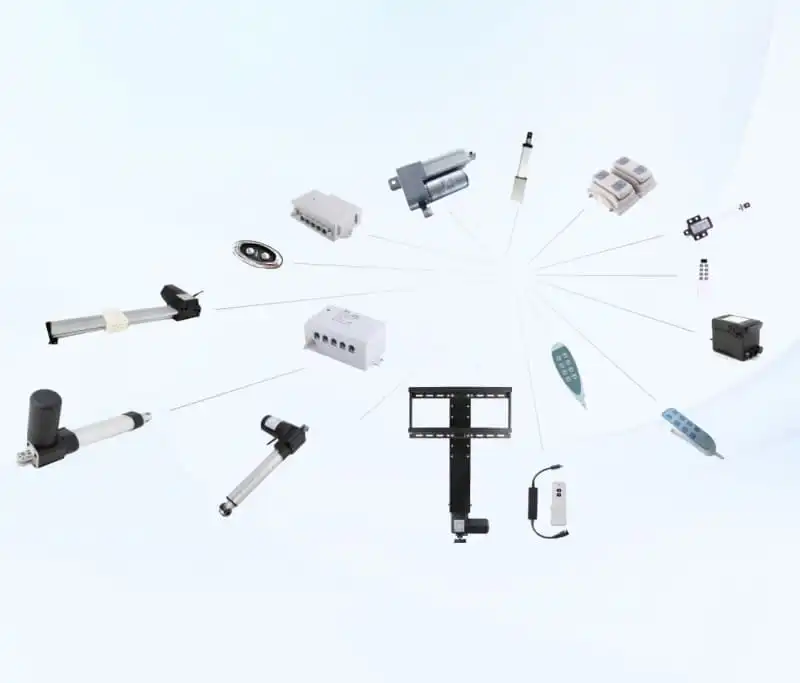
When engineers look for motion‑control solutions in confined installation spaces, the IP66 low‑noise micro linear actuator frequently appears within search results. Before evaluating product specifications, it is important to clarify what defines a micro linear actuator. A micro linear actuator is a miniaturized electric drive that converts DC‑motor rotational motion into precise push‑pull linear movement. As mechanical designs across robotics, smart equipment and industrial automation keep shrinking, compact actuators enable designers to deliver respectable force output inside tight spatial envelopes. Many confined‑space automation projects rely on well‑selected compact motion hardware to achieve reliable stroke performance without excessive bulk.
What IP66 Waterproof Rating Means For Linear Actuators
To properly assess waterproof compact actuators, you need to understand official ingress‑protection standards. According to the IEC 60529 ingress‑protection standard, an IP66 rating means equipment housing is fully dust‑tight and resistant to high‑pressure water jets from any direction. When deployed in challenging working environments, hardware marked IP66 can withstand splashing water, heavy rainfall and airborne particulate contamination. It is critical to note that the IP rating applies only to the actuator main body. Cable glands, wiring harnesses and external connectors must also be properly sealed; poor cable‑end sealing will cause water ingress even if the actuator itself meets IP66. Industrial buyers researching a waterproof micro linear actuator should always confirm suppliers provide valid test documentation for claimed IP grades.
Why Engineers Want Low‑Noise Operation For Compact Actuators
Noise control has become a key design requirement for medical devices, office adjustable furniture and indoor smart automation. System integrators often seek compact hardware that avoids loud mechanical buzzing or high‑frequency whirring during runtime. A genuinely quiet compact linear actuator adopts precision‑machined gear sets, vibration‑dampening structural features and well‑balanced DC motors. For use cases where human comfort or acoustic discretion matters, selecting a low noise small linear actuator ensures automated movements operate with minimal audible disturbance.
Key Challenges: Finding an IP66 low‑noise micro linear actuator + Low Noise
Design Conflicts Between Waterproof Sealing and Low‑Noise Gears
One common real‑world engineering trade‑off exists between high‑grade water‑dust sealing and low‑noise performance. Designing an IP66‑rated compact actuator demands tight‑fitting O‑rings, compressed gaskets and rigid reinforced housing walls. These sealing measures can raise internal gear friction and amplify casing resonance, which increases operating noise.
On the other hand, lowering acoustic output for a low noise small linear actuator often requires looser mechanical tolerances, special low‑friction lubricants and flexible anti‑vibration mounting structures. These optimizations may compromise high‑pressure water‑jet resistance. This fundamental mechanical conflict explains why combining micro size, IP66 protection and ultra‑low‑noise performance in one off‑the‑shelf unit presents significant engineering barriers.
Balancing Size, Noise and Ingress Protection
Packing high thrust, low‑decibel performance and heavy‑duty weather resistance into a miniature body pushes material and mechanical design limits. Engineers researching an IP66 micro electric actuator will quickly discover real‑world products force deliberate compromises. If you prioritize IP66 environmental performance, acoustic noise output may increase due to reinforced sealing components. If quiet operation becomes your top priority, the ingress‑protection rating may shift to IP68 or be limited to indoor‑use grades. Understanding these practical constraints helps procurement teams select electric linear actuator for automation equipment and avoid misleading marketing descriptions.
After understanding the design barriers for an IP66 Low‑Noise Micro Linear Actuator, let’s walk through our real‑world product alternatives, Sanxing Available Alternatives Comparison
FD13 vs FD16 Linear Actuator Comparison Table
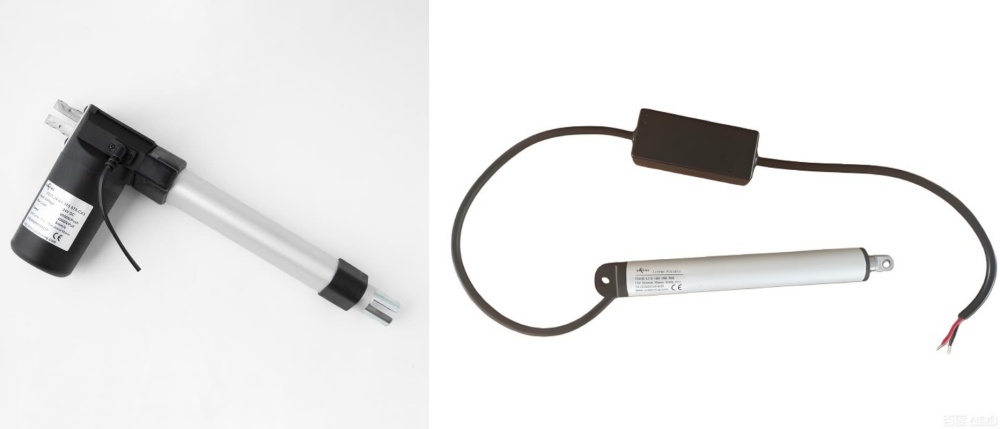
At Sanxing, transparent technical specification communication is core to our product philosophy. The table below outlines our micro‑form‑factor actuator options and their respective strengths and limitations:
| Model | Micro Size | Noise Level | IP Rating | Best For | Limitation |
|---|---|---|---|---|---|
| FD13 | ❌ Not micro, larger dimension | ≤48dB | IP66 | Indoor & outdoor, furniture & medical, heavy load | Larger body size, not micro form factor |
| FD16 | ✅ Micro straight size | ≤55dB | IP54/IP68 | Indoor / clean wet environment, quiet operation | Cannot be used where low‑noise performance is required |
FD13 Low‑Noise Linear Actuator: IP66 & Low‑Noise Priority Option
For projects requiring both low‑noise running performance and robust outdoor environmental resistance, the FD13 heavy‑duty linear actuator is an excellent candidate. While it cannot deliver the full specification set of an IP66 low‑noise micro linear actuator because it is not a micro‑size unit and has a relatively large overall dimension, it delivers proven outdoor durability and genuine low‑noise operation. Holding certified IP66 protection, this actuator copes well with dust accumulation and direct high‑pressure water jets. When your project requires low‑noise performance plus IP66 water‑dust defence and you are not restricted to micro footprint, FD13 is the recommended choice.
FD16 Micro‑Size Linear Actuator: Compact‑Size Priority Option
If compact micro footprint outweighs low‑noise requirements for your equipment, the FD16 micro‑size linear actuator delivers superior compact‑dimension characteristics. Many mechanical designers searching for an IP66 low‑noise micro linear actuator ultimately find their project must make trade‑offs. FD16 provides tiny micro‑form‑factor housing paired with IP68 continuous submersion‑grade protection. Important note: FD16 is not low‑noise. It cannot be adopted for applications with strict low‑noise requirements. Its micro size makes it suitable for compact automation projects where noise level is not a critical concern.
How To Choose Between FD13 and FD16 Based On Your Project
Select FD13 For Low-Noise, High-Thrust & IP66 Waterproof Applications
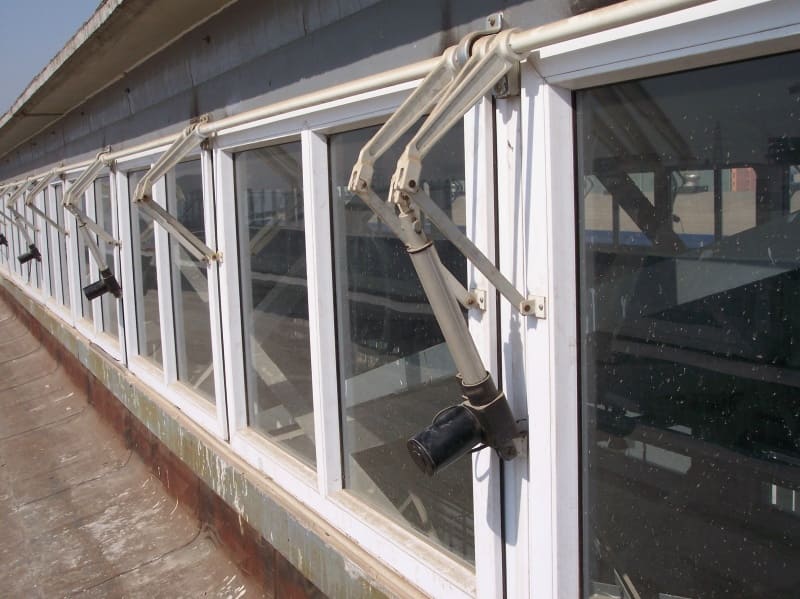
Hardware selection should always match actual site environmental conditions. Choose FD13 for medical equipment, home automation, outdoor installations, agricultural vehicle attachments, or machinery positioned close to industrial washdown stations. FD13’s core strengths lie in low‑noise operation and high thrust output. With IP66 ingress protection, it can withstand rain exposure for outdoor applications. Its high thrust performance makes it ideal for industrial, agricultural and grain bin window actuation projects.
Since ready‑made off‑the‑stock units delivering the complete IP66 low‑noise micro linear actuator specification set do not exist, FD13 guarantees full IP66 dust‑and‑water‑jet defence together with low‑noise running. Bear in mind FD13 has a larger body and is not a micro‑size solution. If your specification sheet lists an IP66 low‑noise micro linear actuator but compact size can be downgraded as secondary, FD13 will serve your hardware reliably.
Select FD16 Whenmicro compact footprint Is Your Primary Concern and low‑noise performance is NOT required.
Many designers mistakenly expect a micro‑form‑factor unit to also deliver low‑noise output. In reality, FD16 offers tiny dimension but runs at standard noise level and cannot satisfy low‑noise specifications.
While it diverges from the exact IP66 low‑noise micro linear actuator requirement, FD16 is the right pick if compact installation space is your primary goal and noise is acceptable, and it’s IP68, you could use underwater for your choice.
Custom Linear Actuator Modification Options For Special Requirements
If your project absolutely demands an IP66 low‑noise micro linear actuator that off‑the‑shelf stock units cannot deliver, Sanxing offers custom engineering pathways. Standard parts force you to pick either FD13 or FD16, but our R&D department regularly supports OEM custom requests for industrial customers. Whether you hope to reduce noise output for an IP66‑grade small waterproof linear actuator or adjust other performance parameters, send your technical drawings and performance targets. Our engineering team will assess prototype feasibility, associated load compromises, lead‑time adjustments and cost impacts.
Common Application Scenarios For Micro Linear Actuators
Industrial Automation & Small Machinery
Within modern manufacturing workshops, compact linear actuators perform fine adjustments, gate actuation and valve positioning. Engineers often seek compact waterproof hardware to fit inside cramped control cabinets and automated test fixtures. Factory floors frequently contain particulate contaminants; selecting an IP66 micro electric actuator prevents dust from jamming internal drive assemblies. These compact units support reliable cyclic operation for semiconductor auxiliary equipment and textile processing machinery alike.
Medical Equipment
Patient examination couches, diagnostic sampling devices and adjustable rehabilitation carts all demand low acoustic disturbance. Standard‑noise actuators can create distracting noise inside clinical spaces. Designers of medical hardware look for a low noise small linear actuator so motor‑driven adjustments run smoothly without disturbing patients or sensitive lab workflows. Waterproof requirements vary heavily between different medical devices, so environmental assessment is essential before final model selection.
Outdoor Smart Devices & Agricultural Automation
Smart‑farming hardware, outdoor IoT equipment such as automated hatch openers and solar trackers face unpredictable weather conditions. For these exposed installations, a waterproof micro linear actuator is non‑negotiable. Automated livestock feeder doors and remote weather‑station mechanisms rely on robust sealing to resist rain, dew and blowing sand. Designers either select FD13 for IP66 outdoor capability for heavy load usage or FD16 for IP68 outdoor capablity for compact space and small load usage.
Important Specification Checklist Before Ordering Micro Linear Actuators
When you source for an IP66 low‑noise micro linear actuator or alternative replacement model, go through this specification checklist to avoid design mistakes.
Before confirming procurement for an IP66 low‑noise micro linear actuator or alternative actuator model, review these key technical parameters:
- Operating Voltage: Confirm whether your control system requires 12VDC, 24VDC, or another voltage standard.
- Stroke Length & Retracted Length: Measure the exact spatial envelope to ensure the compact linear actuator for automation fits fully retracted and fully extended.
- Load Capacity: Determine both dynamic push/pull force requirements and static holding load limits.
- Speed Requirements: Calculate the required mm/second travel speed under full load.
- Environmental Exposure: Verify if your application genuinely requires an ip66 low-noise micro linear actuator or if an IP68/indoor alternative fits better.
- Duty Cycle: Check the operational frequency to prevent motor overheating during intensive automation cycles.
- Noise Requirement: Confirm whether low‑noise operation is mandatory. FD13 supports low‑noise (larger size); FD16 is micro but does NOT support low‑noise.
FAQ Section
Q1: Do you supply IP66 low‑noise micro linear actuator with all 3 features together?
A: Currently our Sanxing actuator lineup does not have off‑the‑shelf stock model integrating IP66 waterproof, micro dimension and ultra low‑noise all together. Choose FD13 if you need IP66 plus low‑noise performance, but note FD13 is larger and not micro‑sized. Choose FD16 if micro compact size is your priority, but FD16 is not low‑noise and cannot be used for noise‑sensitive conditions. Our engineering team can evaluate custom modification for special project requirements.
Q2: What is the difference between IP66 and IP68 micro linear actuator?
A: IP66 protects against strong external water jets. IP68 supports continuous liquid submersion. FD13 is IP66 low‑noise (non‑micro, larger size). FD16 is IP68 micro‑size with standard noise and is not suitable for low‑noise applications.
Q3: Can FD16 micro linear actuator be used for low‑noise scenarios?
A: No. FD16 is micro‑size with IP68 rating, but it outputs standard operating noise. It cannot meet low‑noise requirements. If low noise is mandatory, please evaluate FD13 instead, accepting its larger non‑micro footprint.
Q4: Can you make FD13 become micro‑size via modification?
A: Shrinking FD13 into micro dimension while preserving IP66 and low‑noise performance involves major mechanical redesign. Contact our engineering team for custom feasibility assessment, load, cost and lead‑time will change greatly.
Get Your Custom Linear Actuator Quote (RFQ paragraph)
Navigating specifications for an IP66 low‑noise micro linear actuator can be challenging, but Sanxing’s engineering team is ready to help you refine your mechanical design. Whether you develop outdoor agricultural hardware, medical diagnostic devices or compact factory automation equipment, we welcome industrial‑project enquiries. Please share details including working‑environment conditions, target‑noise requirements, required IP rating, stroke length, load capacity and power‑supply specifications. Reach out to Sanxing engineering today for professional solution recommendations and competitive custom quotations for your automation project.
Please clearly tell us whether low‑noise performance or micro compact footprint is your higher‑priority requirement.