What Is an Electric Linear Actuator? Structure, Advantages and Uses
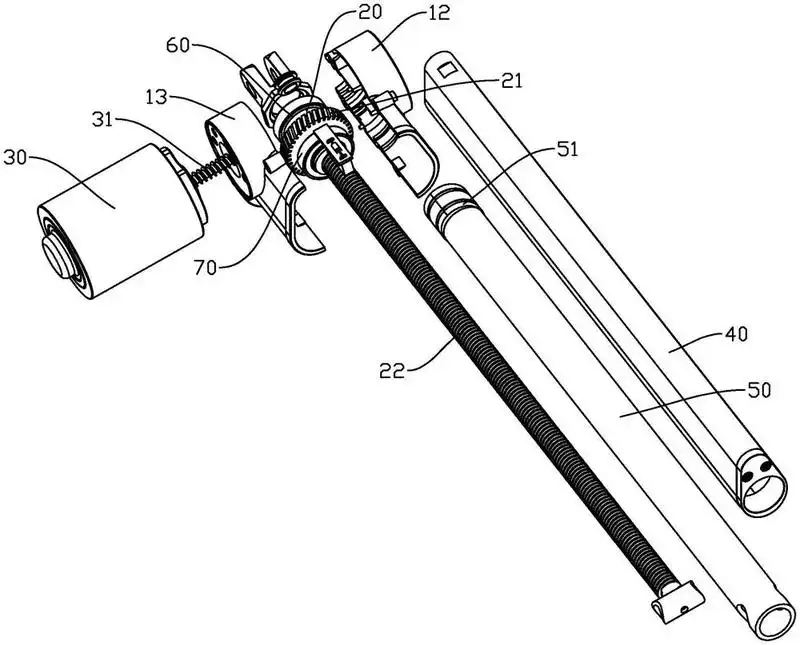
An electric linear actuator is a modern electric drive device that converts rotational motion into linear push‑pull movement. It mainly consists of a motor, pushrod, and control system, supporting remote control and centralized control for automatic equipment.
A linear actuator performs reciprocating motion within a fixed stroke range. Standard strokes include 100mm, 150mm, 200mm, 250mm, 300mm, 350mm, and 400mm. Custom strokes can also be designed to meet different application needs.
Linear actuators can be produced with different thrust levels based on working load requirements. The maximum thrust can reach up to 8000N, with no‑load speed ranging from 4mm/s to 35mm/s. Powered by 12V or 24V DC permanent magnet motors, the actuator converts rotary motion into stable linear movement. It drives linkage mechanisms to complete the opening and closing of air valves, water valves, gates, baffles, and other components.
Using electric linear actuators reduces the air supply and auxiliary equipment required for pneumatic actuators, while also lowering the overall weight of the actuation system. Pneumatic actuators require continuous air pressure during operation, resulting in high long‑term air consumption.
Electric linear actuators consume power only when adjusting the opening position. Once the target position is reached, no power is needed, providing clear energy‑saving advantages over pneumatic actuators.
Electric linear actuators are widely used in power, chemical, metallurgy, mining, light industry, transportation, shipping, and other industries for valve control, gate control, material handling, and flow regulation. They are increasingly replacing manual mechanisms, hydraulic valves, and traditional reduction drive devices in automated systems.